Address: Jr. Monsefú 903, Urb. Zona Industrial Lima, Lima, Peru
Mail: info@www.laurusperu.com
Phone: + 51 01 336-5412


Address: Jr. Monsefú 903, Urb. Zona Industrial Lima, Lima, Peru
Mail: info@www.laurusperu.com
Phone: + 51 01 336-5412

Address: Jr. Monsefú 903, Urb. Zona Industrial Lima, Lima, Peru
Mail: info@www.laurusperu.com
Phone: + 51 01 336-5412


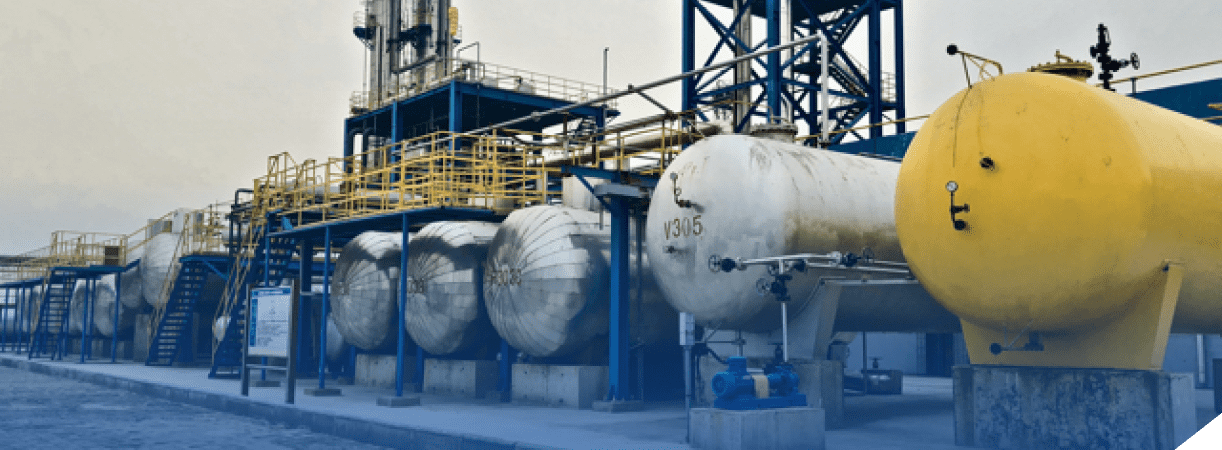

With the advancement of technology, it has been discovered that there are several ways in which the same chemical product can be made. Coal or petroleum can be used to make benzene, which in turn can be used to make phenol through four different types of processes, but other raw materials can be used to make phenol as well.
Not only can the same product be manufactured by different means and materials, but the same product can also be assigned to a variety of uses. For example, ethylene glycol serves in the production of automobile antifreeze, but may also be employed in the production of hydraulic brake fluid. At the same time, ethylene glycol can be further processed to create additives used in textile and cosmetic industries or to create emulsifiers in fungicides.
Due to the multitude of chemical alternatives that can serve the same purpose, the chemical industry invests heavily on research, resulting in constant changes and updates in fabrication methods.
The purpose of having raw materials go through a chemical manufacturing process is to achieve two fundamental objectives:
Largely, this means the material must go through five general stages:
As of now, these are the generally established steps the chemical manufacturing process, but the effect of technology in the chemical industry is clear, and we can only expect for more changes to come in the future.